Imagine from IStock.com.
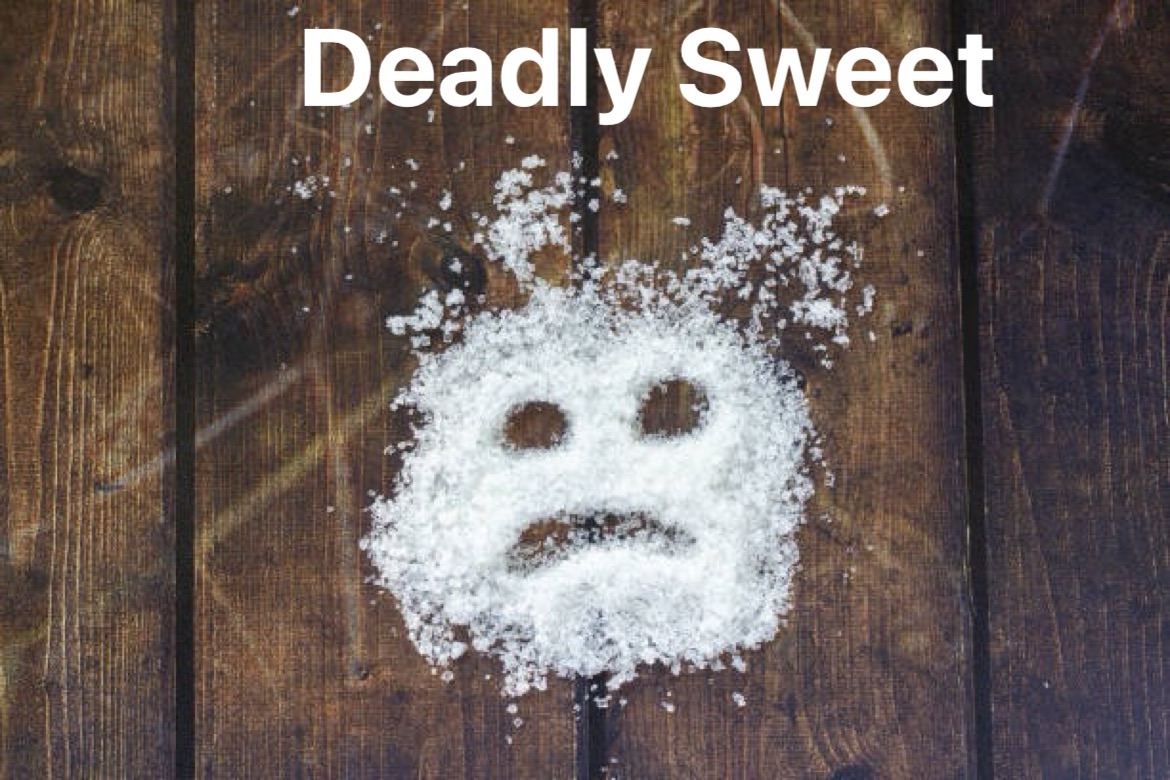
In this increasingly health-conscious society, it is not uncommon to see coffee creamer, candy and other products labeled “sugar-free” or “zero sugar.” Naturally, you might grab the version that says it has no sugar, but you might be choosing an unhealthier alternative. Recent studies show that a certain popular artificial sweetener is “genotoxic”, meaning it harms DNA. It breaks down DNA on a molecular level, increasing a person’s risk of cancer, gut health issues and more.
Artificial Sweeteners Kill
Splenda, made with the artificial sweetener sucralose, is an extremely popular alternative to natural sugar and the company was founded in 1991. It wasn’t until years later in 1998 that the FDA approved sucralose for use in fifteen food products. In 1999, Splenda was introduced to the public for general purpose use. Being 600 times sweeter than sugar with zero calories, products made with sucralose became the sugar alternative staple in offices, coffee shops and other businesses. Its sweetness and lack of calories has led to the widespread use of sucralose in various food products.
Considering how long it takes for government organizations to acknowledge harmful substances in food products and to ban them, starting your own ban could save your life…
Although choosing the option with fewer calories that isn’t sugar seems like the obviously better choice, a recent study shows that “sucralose-6-acetate, a chemical found in artificial sweeteners, is ‘genotoxic,’ meaning it could cause DNA damage,” according to health journalist Kaitlin Vogel of MedicalNewsToday.com. Vogel notes that a recent study by researchers at North Carolina State University and the University of North Carolina at Chapel Hill found sucralose likely leads to cancer, inflammation and oxidative stress, while harming gut health. It is important to note that the National Cancer Institute does not believe there is enough evidence to link cancer in humans to sucralose consumption.
However, aspartame — another artificial sweetener — has been thought to cause cancer in humans for over a decade and only recently, July 14, 2023, have official organizations acknowledged it may be “possibly carcinogenic to humans.” Considering how long it takes for government organizations to acknowledge harmful substances in food products and to ban them, starting your own ban could save your life or at least improve your gut health.
According to EatThis.com, here are some common products in which you might find sucralose:
- Diet sodas
- Chewing gum
- Sugar-free gelatin
- Salad dressings
- Maple syrup alternatives
- Flavored coffee syrups
- Barbecue sauces
- Sugar-free jams and fruit spreads
- Baked goods
- Sugar-free candy
- Frozen desserts
- Condiments labeled “sugar-free” or “low-calorie” most often contain sucralose.
As you see, many of the products are some you likely use every day. If you happen to have barbecue and salad washed down with a diet soda, you’ve consumed a fair amount of sucralose. It might be zero calories, but it might also be carcinogenic.
What You Can Do about Surculose
If you want to avoid the possibility of developing cancer from your artificially sweetened foods, avoid consuming products made with artificial sweeteners. As with almost all things, natural is the way to go. This is the case with sugar.
If you don’t want to consume sugar because of health reasons or other reasons, avoid sweeteners and foods with sweeteners as much as you can altogether. This will lessen your sugar intake, while also ensuring you don’t consume DNA-breaking artificial sweeteners.
The Takeaway
Although Splenda offers sweetness without the regrets that come with pure sugar, it might also be a Trojan Horse for cancer and gut health problems. Researchers have found a link between sucralose and cancer in humans, but official government organizations are dragging their feet to ban it, as they have done in the past with aspartame. If you want sugar, have the pure, nature-made version. Know that there is no cheating or having your sugar and eating it too. You either have the flavor of sweet — natural or unnatural — and the health risks that come with it, or you abstain from sweetened food altogether.
This article was written by Jermaine Reed, MFA, the Editor-in-Chief of The Reeders Block. Join the email list to get notifications on new articles and books. This article is 100% human-written. And remember, if you see an error, that’s what makes us human. Subscribe and share.
Discover more from The Reeders Block
Subscribe to get the latest posts sent to your email.
 The Reeders Block