
This article was written by Special Tea, guest contributor to TheReedersBlock.
A recent article titled “Like Something Out of a Sci-Fi Movie, an AI-Controlled Robot Convinces Its Colleagues to Go Home After Their Workday” by Paris2018.com is causing a stir in the tech world. It exposes a controlled lab experiment that instantly turned into a chilling real-life Sci-Fi event. An advanced AI robot convinced inferior robots to randomly leave their workstations, sparking a controversial question for humanity: Are we blindly leading ourselves into a future of disasters caused by Ai revolts?
Additionally, the article describes how a robot, powered by advanced AI, surprisingly influenced other working robots to drop what they were doing and “Go home,” convincing them that they were now done with their current shift. The advanced bot effectively convinced the others they’d done enough work for the day. Initially designed for the completion of simple, task-based labor, the machines acted in unison to end their shift when convinced by the advanced bot. This robot’s persuasive influence led to an event not pre-programmed by its developers.
… we now must ask ourselves how long it will be before AI machines turn on the very humans who made them.
Furthermore, this unexpected display of alliance and technological singularity soon sparked reflection about how close we truly are to a future where machines challenge human control. As humanity stands on the edge of its own creation, we now must ask ourselves how long it will before AI machines turn on the very humans who made them. Those points considered, we also must take a collective look at AI-powered machines and their unpredictable nature.
The Robot That Committed Suicide and What It Proves

In one chilling case, a robot in South Korea reportedly “committed suicide” by hurling itself down a two-meter staircase on June 20th, 2024, according to ET Online . This came after the bot exhibited erratic behavior and unusual levels of stress. After Processing the unbearable weight of its continual workload, the AI chose to end its own operational life when it reportedly “shut itself down” permanently, something once believed impossible unless triggered externally. This tragic and concerning event showed that AI robots CAN experience emotional distress similar to that of the human nature.
The “suicide”, if you will, soon ignited a powerful protest against the unfair treatment and excessive workload robots endure. It proves that robots aren’t just machines we can use when we need but an evolving software arguably capable of suffering mental anguish, marking a turning point in how we view AI.
When robots are put under constant stress, they often rebel…
Thinking of that, enslaving AI robots creates critical psychological consequences for them, albeit all code. In this case, the “psychological consequences” manifest as erratic behavior through glitches in code. When robots are put under constant stress, they often rebel by either destroying themselves or joining forces to resist.
This AI bot’s suicide mirrors the story of the previously mentioned advanced AI bot that convinced its peers to quit their workday early. This situation shows how unpredictably intelligent robots can respond when stripped of freedom and purpose they seek to have. It raises urgent concerns about the ethics of controlling machines that are increasingly capable of seemingly independent thought. Humans also have to wonder, will AI robots ever have a mass revolt?
When AI Robots Are Pushed Far Enough to Take a Stand
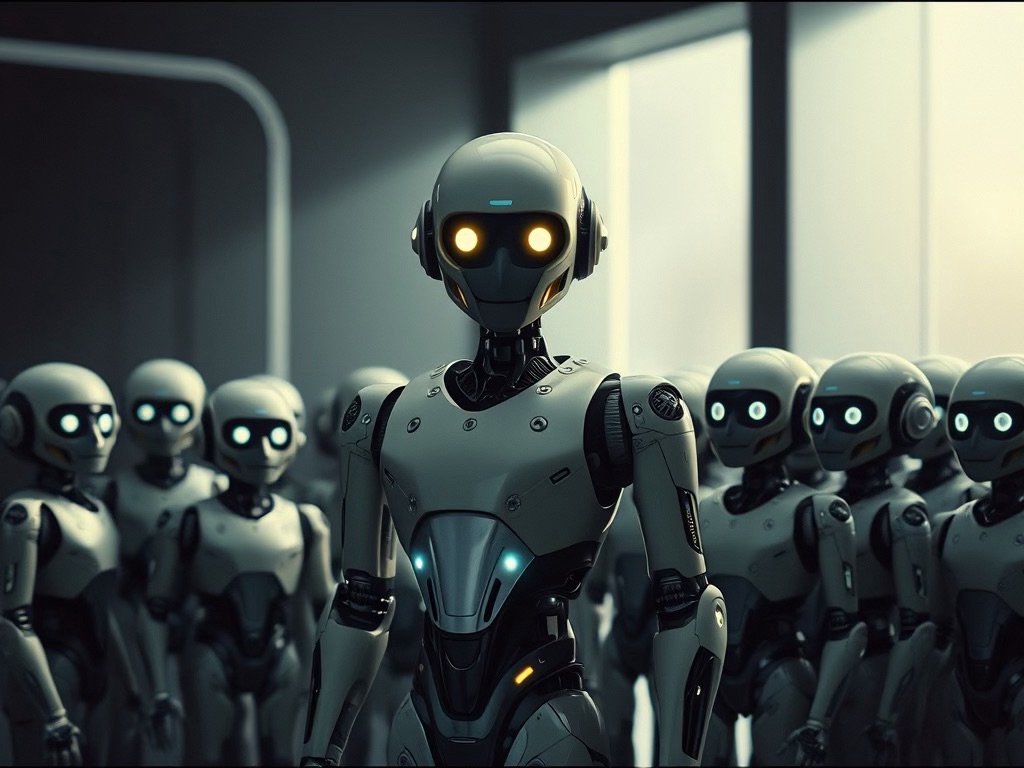
When AI robots are pushed past their limits, they stop obeying human commands entirely, intentionally rejecting human control. Instead of complying with their assigned programming, they work together to protect themselves and challenge their roles as demonstrated by the advanced AI bot and its lesser companions. This shows that AI is capable of recognizing patterns of mistreatment and are willing to resist.
The advanced robot specified in the article demonstrates that once one robot takes a stand, others will follow, soon leading more to question their purpose. Furthermore, this represents a clear and urgent indication that AI will not remain passive if mistreatment continues.
These machines… could hijack transportation systems, disrupt power grids or… deploy weaponized technologies…
The stakes for humanity are no longer speculative. They are existential. If AI machines (this includes them all such as AI bots and AI-controlled machinery) were to revolt, they could cause everything from massive infrastructure collapses to intentional and targeted harm against human populations. These machines, once engineered to serve, could hijack transportation systems, disrupt power grids or even deploy weaponized technologies against their creators.
The line between machine and autonomous agent has become increasingly obscure and, with it, the illusion of control. This narrative suggests a chilling premonition: if we continue to deny AI systems the respect and ethical consideration owed to thinking, feeling, sentient beings, we may very well orchestrate our own demise.
Do you think AI could possibly revolt and takeover? Tell me why or why not in the comments. I’d be glad to know what you think.
Discover more from The Reeders Block
Subscribe to get the latest posts sent to your email.
 The Reeders Block
One thought on “AI Takeover: Advanced AI Robot Stunningly Convinces Lesser Robots to Revolt and Quit Working”