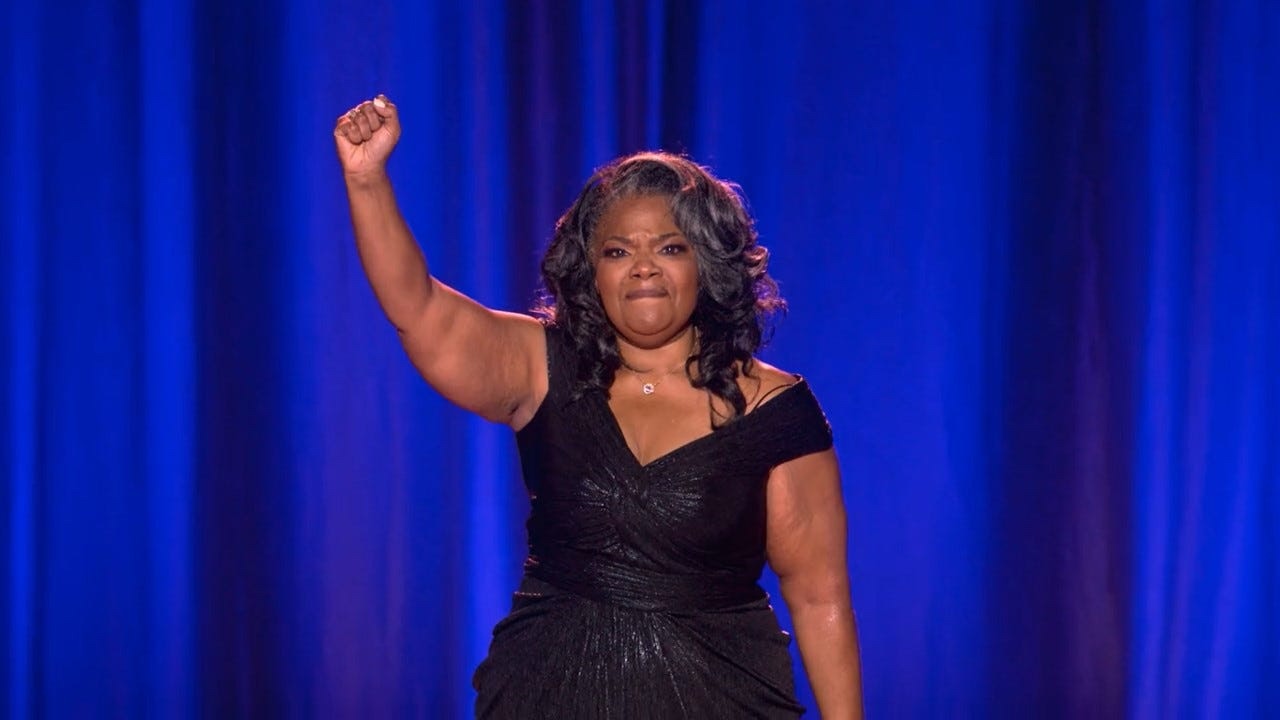
Photo of actress Mo’Nique Hicks from SelakEntertainment.com.
SUBSCRIBE to TheReedersBlock.com and follow for more deep dives on talent versus the machine. This article is 100% human-written.
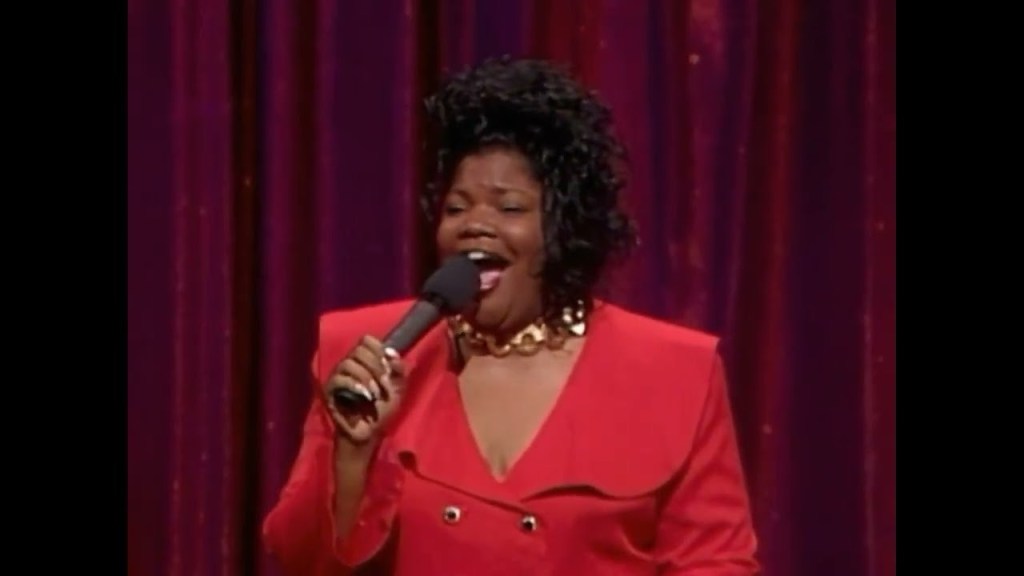
Mo’Nique Hicks left the set of The Parkers for the last time in 2004. After five seasons, the spin-off off to Moesha was finally coming to an end. In its heyday, The Parkers crushed ratings, even in the face of high-brow disapproval. While critics dragged the show for its “over-the top” characters, it was those characters who kept the audience checking back weekly. On May 10, 2004, over 3.6 million people tuned in to see the finale. By any measure, the show had been an overwhelming success, but Mo’Nique would find herself fighting a career blackball for over 15 years.
It all started with a legendary role that would bring both prestige and a hard-hitting downfall meant to crack her from the spirit out. Amid her war against Lee Daniels, Oprah Winfrey and Tyler Perry to keep her career, Mo’Nique demonstrated a resilience rarely seen in Hollywood, a place that forces strict compliance from its actors. But what really happened between Mo’Nique, producer Lee Daniels and Netflix is a masterclass in beating a machine actively trying to blackball a legend.
A Perfect Body of Work
In season four of Moesha, Mo’Nique Hicks was introduced as the mother of Kim, Moesha’s intellectually-challenged friend. The episode was meant to be a filler, presenting Monique as a young mother returning to school. What the producers thought would be a moment turned out to be a fortified gem. Mo’Nique owned every second of the screen when she appeared, and the chemistry between her and Kim was undeniable. After the ratings came back, the producers of the show returned to the lab, with Monique’s on-screen presence as the base formula. They had discovered something amazing, but it confused them.
Sitting next to the whip-thin Moesha, Mo’Nique was the opposite of what Hollywood expected. She wore her weight like a beloved, indivisible part of herself that defined who she was. Her battle was not her weight but the struggles of a young woman who became a mother too soon. She represented the stories of the audience more accurately and looked like the people who lived them. This unique identity helped the producers close the cognitive dissonance and see her for who she was. They saw what she brought to millions of homes in the country. With that, the producers went to work.
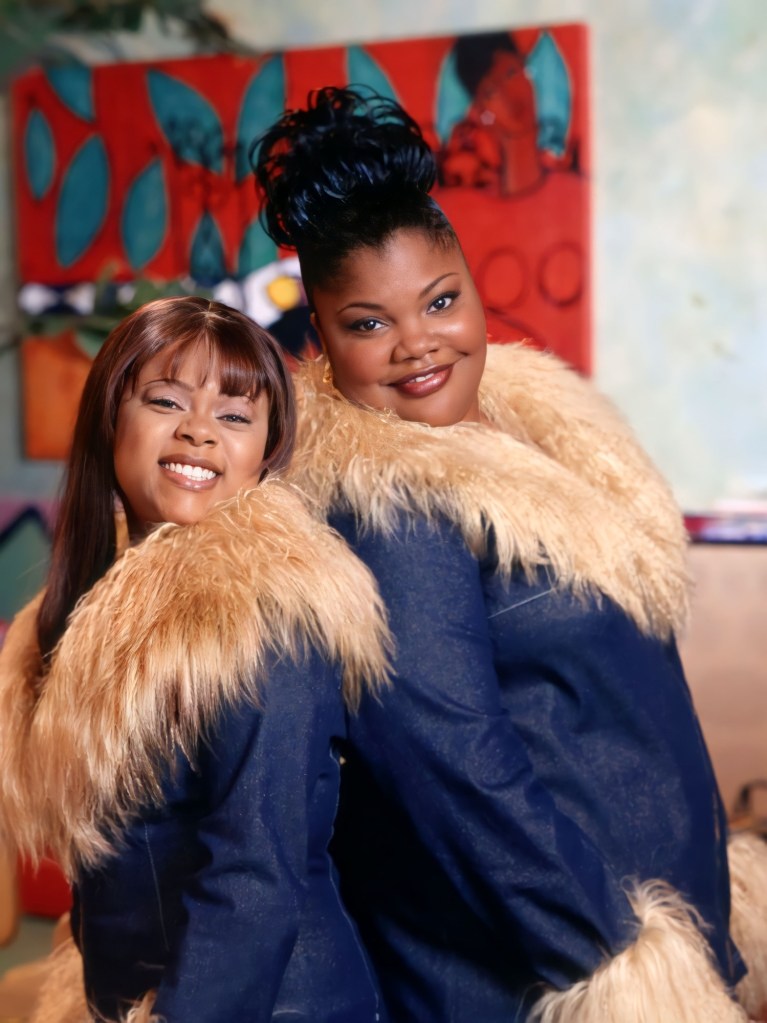
On the brink of a new millennium, Mo’Nique and her on-screen daughter Kim, played by actress Countess Vaughn, introduced the world to The Parkers. With nearly five million viewers tuning in to the pilot, the show was an instant hit. Outside of the two main characters, it featured an ensemble cast of college friends and professors. But it was the first show to lean into body diversity so heavily.
Mo’Nique and Countess didn’t have the Hollywood bodies of nearly-starved actresses. Their bodies were the embodiment of their personalities, bold and attention-grabbing. They weren’t alone. Mo’Nique’s best friend on the show shared a similar body profile, and Stevie, Kim’s best friend, stood out as the first “PAWG” on tv.
Short and thick, Stevie was an anomaly in direct contrast to the extra-skinny white females featured elsewhere in television. Stevie’s body had shape and definition, and the cast often compared her to a “sister” from behind. The running joke reminded women of all colors that every body was beautiful without conditions. If anything resonated with the audience, it was the inclusion of all body types as empowerment and representation, but what kept them coming back was Mo’Nique.
Nikki Parker was a single mother returning to college after becoming a teenage mother. When her daughter registered for college, Nikki decided it was time to go back for a degree. In a show that was supposed to be comedic, Mo’Nique stood out as a pillar of determination and resilience. Through her dynamic role as Nikki Parker, Mo’Nique earned the respect and love of millions. That love would follow her to the big screen, but that would be followed by the crushing disdain of the Hollywood machine. She could make millions, but a deal with a Hollywood producer friend stopped that.
A Precious Situation
Lee Daniels and Mo’Nique were best friends, and he knew she was made for a new movie he was producing. That movie was Precious, and he paid Mo’Nique just $50,000 for her lead role. To put her pay into perspective, her work until that point has to be considered. After The Parkers ended in 2004 with a successful five-season run, Mo’Nique appeared in eight movies. Additionally, she graced the screen in as many tv shows. And she wrote two books. By the time Lee Daniels came to her, Mo’Nique was a solidified star who had worked day and night. He offered her a lowball salary, but Mo’Nique accepted it on a condition.
As a businesswoman, Mo’Nique realized backend participation points are usually extremely more lucrative over time. So, for accepting lower upfront pay, she received participation points. Normally, this is a genius move but only on the condition that the bookkeeper is honest. This isn’t always the case, as Mo’Nique found out firsthand when Lee Daniels couldn’t make her work for free.
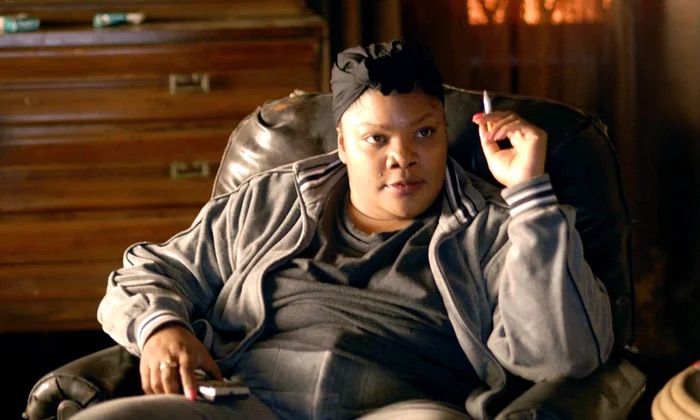
In January 2009, Precious premiered to critical acclaim at the Sundance Film Fest. The movie was iconic, but Mo’Nique had been legendary. Whispers about a potential Oscar nomination bubbled up, and producer Lee Daniel saw potential. He also knew the politics of the Oscars, and the only way to boost their chances was a tour featuring the star. So, he turned to Mo’Nique, and she turned to her contract.
Mo’Nique had been paid a total of $50,000, and she had done promotion as required by her contract. The additional overseas promotion wasn’t included, but actors usually do these tours for free. But even if she wanted to promote the movie overseas, she had a BET talk show to work on. She would do the overseas promotion only with pay. Otherwise, she wouldn’t budge.
Blackballed into a Career Winter
Lee Daniels called in the big guns, leaning on producer Tyler Perry and Oprah Winfrey to pressure Monique into doing the overseas promotion tour. Tyler Perry called Mo’Nique and told her she should do the promotion. He told her she wouldn’t be paid, and she asked why. In his opinion, the money “wasn’t merited.” He said he doesn’t “give out free money.” Mo’Nique told him that if he doesn’t give away “free money,” she shouldn’t be expected to work for free. They were standstill, and the machine wasn’t happy. There would be no Oscar win for them. They thought.
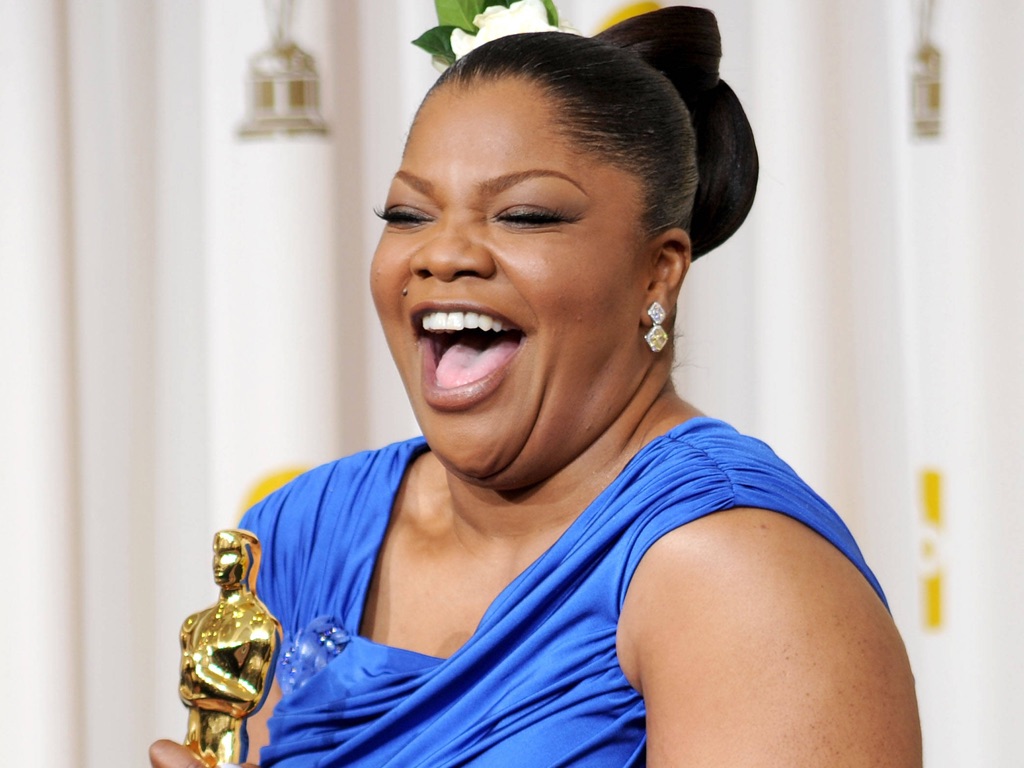
Mo’Nique showed up to the Oscars, head high as her energy level. As the camera swept over her, her focused eyes said she was there for a reason. The committee had nominated Lee Daniels for Best Director and Best Picture as producer for the movie. Mo’Nique was nominated for Best Supporting Actress. Unlike Daniels, she won and created the most hateful career tsunami she would face.
Shortly after the Oscars, Mo’Nique’s phone calls dried up. Having won an Oscar, she was expecting more work and higher pay. What she got was a silence so cold and indifferent that it changed how she saw Hollywood. The machine demanded complete compliance, and she wasn’t the type. The blackball was official, but she pivoted in a genius way.
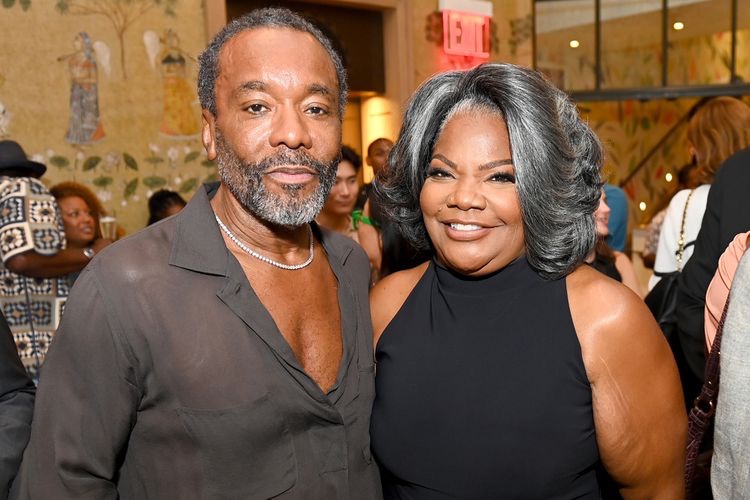
Knowing she had a long battle with Lee Daniels and Hollywood, Mo’Nique went to independent films. She mastered the screen in the indie drama Blackbird in 2014. She also starred in the holiday movie Almost Christmas in 2016. In 2015, she received critical acclaim and a Critics’ Choice nomination for her role as Ma Rainey in the HBO film Bessie. Her talent was undeniable. The roles she played showed how excellent she was at acting, but they didn’t give her a voice. Daytime tv and news rooms did, and she exposed the sneaky executives who had gotten her banned.
In 2015, Mo’Nique wrote an exclusive essay for The Hollywood Reporter that rocked Hollywood. She also did an interview and named names. She recounted a conversation with producer Lee Daniels in which he admitted she had been blackballed but blamed her. She said, “I got a phone call from Lee Daniels… and he said to me, ‘Mo’Nique, you’ve been blackballed.’ And I said, ‘Why have I been blackballed?’ And he said, ‘Because you didn’t play the game.'” Baffled, Monique asked for clarification. She said, “’Well, what game is that?’ And he gave me no response.” But she wasn’t done applying pressure.
In May of 2017, she performed a comedy show at the legendary Apollo Theater and called out The Big Three, Lee Daniels, Oprah Winfrey and Tyler Perry as the manufacturers of her blackballing. This sent a firestorm through the media, and everyone she named denied the claims. Mo’Nique wasn’t letting up. In fact, she was gathering proof that would expose the lies and vindicate her. The explosive move made the industry and fans alike choose sides.
A year after the Apollo appearance, Mo’Nique dropped an audio of a private phone conversation between herself, her husband Sidney Hicks and Tyler Perry. In the audio, Perry admits that labeling her “difficult” was unfair. He even acknowledged she was underpaid for Precious. He said, “This is Tyler Perry talking. I’m gonna call and find out what money is coming in from Precious, and I’m going to send that over to you. Whatever it is, I’m gonna send it to you.” That didn’t happen. Publicly, Perry acted differently.
Tyler Perry refused to stand on a stage or go on a show like The View or CBS to tell the world, “Mo’Nique was right, and we treated her unfairly.” Neither would Lee Daniels or Oprah Winfrey. And the blackball still had Monique barricaded from larger, better-paying projects. Her courtroom tussle with Netflix over a lowball offer would make a corporation buckle and her archenemy take a knee.
The Courts See Merit in Mo’Nique
Netflix had a big problem. They wanted Mo’Nique’s stand-up comedy, but they only wanted to pay $500,000. For an Oscar-winner, it was an insult with a pointed message: You’ve been blackballed, so you’re worth much less than you think. Obviously, Mo’Nique disagreed. And she went to the people.
On Friday, January 19 of 2018, Mo’Nique dropped a live Instagram video and torched Netflix. In the living room of her home, she opened with her warming signature “Hey my loves” and immediately got to business. “I am asking that you stand with me and boycott Netflix for gender bias and color bias.”
She recounted the lowball Netflix offer and questioned why she was expected to take a price no actor comparable to her would. She pointed out that Amy Schumer was initially offered $11 million that was later renegotiated to $13 million, and Chris Rock and Dave Chappelle were offered $20 million per special. Monique’s words struck the best nerves, and support poured in.
On January 21, 2018, Wanda Sykes jumped in to support Mo’Nique on Twitter, telling that Netflix offered her less than half of Mo’Nique’s $500,000. This transformed Mo’Nique’s personal “drama” into a documented industry-wide pattern. She wasn’t making it up. But Netflix wasn’t budging. So, Mo’Nique took it to court.
She stopped talking Thursday, November 14, 2019, and filed a lawsuit alleging gender bias and retaliation. She argued that Netflix had routinely offered male performers more money than females. She also said they shut down talks when she attempted to negotiate her price. Her evidence showed Netflix denied her the negotiation room the company had given others as a common practice. She argued this was retaliation. A judge saw it the same way.
While Netflix denied every claim and pushed to have the case dismissed, the judge ruled Mo’Nique’s claims had merit. The judge made note that denying her the same negotiation room as other performers, the company might have been acting out of retaliation. Netflix’s defense was falling apart. They needed a new tactic. It was called folding under pressure.
Monique Breaks the Machine and All the Parts
As Mo’Nique’s case against Netflix dragged on for years, producer Lee Daniels secured the biggest deal of his life with the company. The $65-million project would star notable actress Octavia Spencer. It would be huge. But then disaster struck on April 1, 2022.
Octavia Spencer announced she was dropping out of the project. She was tied to AppleTv+ through her role in Truth Be Told. The schedules conflicted. And Lee Daniels’ project was crumbling in realtime. He needed a Spencer replacement immediately, and he didn’t have time to cast. His only option was one. Mo’Nique. But she was actively engaged a lawsuit against the very company that had funded his multimillion-dollar movie. However, Lee knew something most people didn’t.
It wasn’t looking good for Netflix. They had tried unsuccessfully three years earlier to have Mo’Nique’s lawsuit dismissed, and they still couldn’t make her fold. At the time she filed her lawsuit, the company’s founder Reed Hastings was also the CEO. Between 2019 and 2022, they had profusely bled money in a lawsuit they just couldn’t beat.
So, when Lee Daniels dropped the bomb that Octavia Spencer was leaving the $65-million movie, Netflix was done. Lee Daniels told Hastings and Netflix that they needed Mo’Nique, and they folded. It was an embarrassment for Netflix, but it was high humiliation for Daniels. For the first time in his career, somebody had the drop on him. There was only one way to get Mo’Nique back, and the terms were beyond degrading.
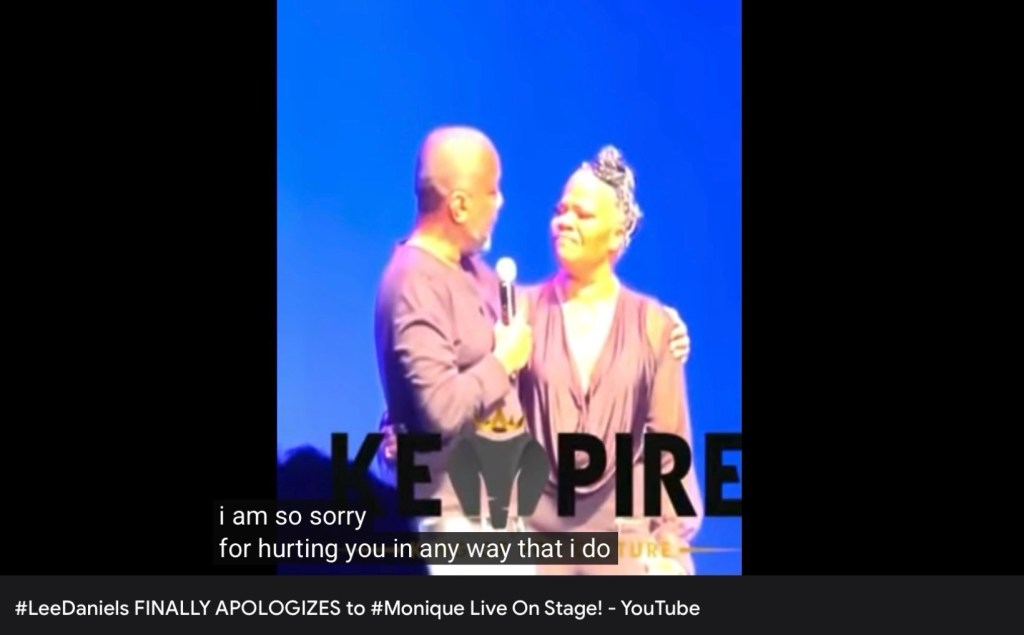
On the exact same day Octavia Spencer announced she was leaving the project, Lee Daniels made a very public apology to Mo’Nique. It was April Fool’s Day. A man teetering on losing tens of millions of dollars and his reputation, he took the stage at her comedy show and issued an apology nearly 15 years in the making.
Mo’Nique in the Aftermath
Shortly after reconciling with Lee Daniels, Mo’Nique settled with Netflix. In the midst of being blackballed and underpaid, she broke two of the biggest machines in Hollywood: Lee Daniels and Netflix. The $65-million project, The Deliverance, was saved by her. In 2023, she released her highly-anticipated Netflix stand up My Name is Mo’Nique. And she continues to be a powerhouse in film and television, starring in hit shows like BMF. She’s put her talents to full use after slaying the final boss of her career blackball.
The Takeaway
For a decade and a half, actor Mo’Nique was blackballed after refusing to “work for free.” As far as she was concerned, she had already fulfilled every aspect of her contract. Lee Daniels saw it differently in 2009 and blackballed her when she wouldn’t fold. This caused her to lose work and companies like Netflix to undervalue her. It took some time, but she systematically disassembled Lee Daniels and Netflix. Mo’Nique stomped on every part of the machine until it was just a hunk of clunking, misshapen gears.
Jermaine Reed, MFA is an educator and the Editor-in-Chief of TheReedersBlock. This article is part of The Mycelium Segment, deep dives into complicated relationships between public figures and the Hollywood or political machines that control them.
Final Note on the Media: I didn’t get to this in the main text, but I had to mention Charlamagne of The Breakfast Club. In January 2018, he gave Mo’Nique “Donkey of the Day.” It’s an insult shoutout by the hosts to a person they believe made a particularly dumb decision. He said she was “overvaluing” herself. She disagreed, and so did Netflix ultimately. If Charlamagne was anything more than an industry talking head, he would’ve seen the fault in his logic. This should teach anyone within the sound of his voice that he is trying to drive the unaware to slaughter. Mo’Nique was right the whole time.
Discover more from The Reeders Block
Subscribe to get the latest posts sent to your email.
 The Reeders Block