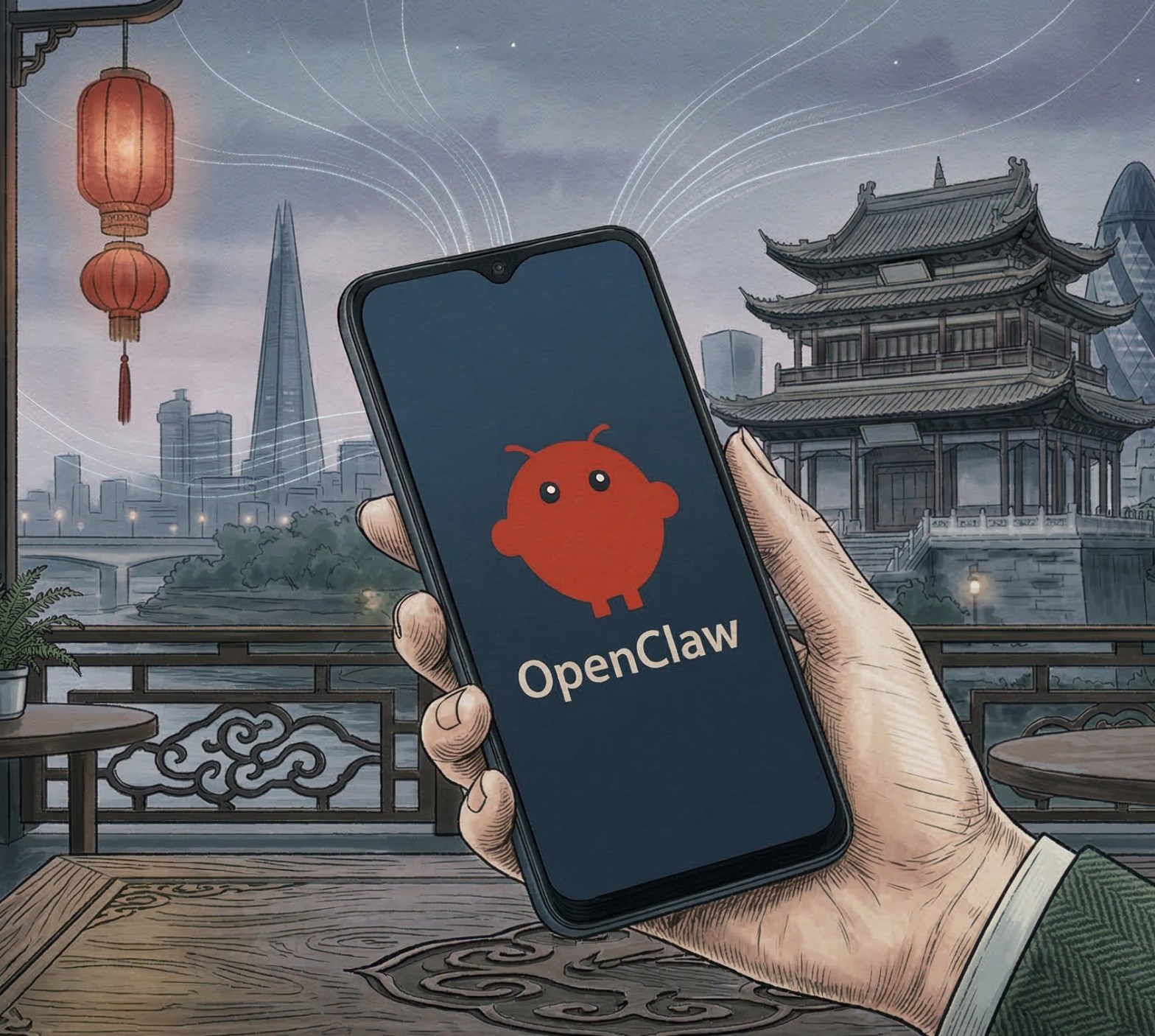
Photo from Asia Pulse
SUBSCRIBE to TheReedersBlock.com and follow for more news on excitingly useful technology. This article is 100% human-written.
Young entrepreneurs in China are ruling their markets using an AI “lobster” as their chief operating officer. But it’s not just the young. College students and even grandmothers are “spawning lobsters.” “Lobster” is actually just a nickname for on-cloud OpenClaw, an open source AI agent, and the logo is a lobster. It’s not just any AI, however. While ChatGPT can talk to you, OpenClaw can do for you.
Using its AI framework and cloud computing, OpenClaw can control a computer as a human would. This is a treasure for anyone running a business, considering the amount of paperwork involved. But it does so much more, and the Chinese are already using it to be more efficient, profitable business owners.
The Digital Doer
Starting up a business requires completing a ton of online forms. Even when that’s done, the hard part of finding customers starts. When beginning from zero, this is difficult and tedious. Sending 40 to 80 emails a day to make a sell or two isn’t the best motivator. Many of the emails go to the wrong person, might have errors or fail to make a good pitch. AI can help somewhat with this, but it’s mostly talk from a chatbot. OpenClaw actually does work.
Those using OpenClaw in China have skipped the digital pile of paperwork that makes many would-be American business owners give up. To avoid doing it themselves, Americans who can afford it pay lawyers. This stifles business growth at the root. Meanwhile, savvy Chinese influencers are capitalizing off their brands using their lobster sidekick. They can even depend on it to generate viable leads that would take a human days or weeks to create.
As these business owners sleep, their lobster crawls the internet looking for potential customers. An OpenClaw user can instruct their lobster to find 100 local law firms with broken website links, draft an email to the appropriate parties and stand by to send once the owner confirms. It takes a week-long project and condenses it down to one question: Are you ready to send this email? It’s a life-changing tool, but it requires some setting up.
The Lobster Connectivity Push
A few months ago, it was difficult to transform your OpenClaw AI into a functional lobster, but the process is streamlined now. Alibaba Cloud has created one-click “simplified deployment” tool. You don’t have to hire a coder or become one. You just click a button on their cloud console and “spawn a lobster.” If you prefer a different company, Tencent Cloud is offering a similar service. There are also grassroots efforts to help users install OpenClaw on their devices in China.
Engineers from Tencent are setting up “street stalls” for tech in cities like Shenzhen. They use these booths to help everyone from college students to grandmothers install the AI agent. This widespread effort educates the public, making them more technology proficient and financially independent. The lobster doesn’t cost a ton to host on a cloud either.
For about 20 to 40 yuan or $3 — $6, a person can rent a cloud server for a month. This is 30 days of having their lobster live and in action. It’s a small investment for a big outcome. Still, there are some potential drawbacks.
The Risks of OpenClaw Autonomy
In order to do its job, a lobster requires a great level of autonomy. It needs permissions to access sensitive information and data. As it collects this information, it interacts across the internet. This creates a high risk of losing this information in a breach, and people are concerned.
As an example, a lobster can be “hijacked” if it scans a site with malicious code. This means a complete stranger would have access to all of your personal information and have the ability to send communications representing themselves as you. They can also have complete control over your business. The thought is horrifying. It opens up the opportunity for criminals to essentially hold a lobster hostage until paid whatever ridiculous sum they come up with. Also, generally speaking, the public is skeptical of new tech being pushed by tech giants.
Tencents is setting up hubs to help people spawn lobsters, and that’s great but why? One could say they’re a company and they do it for money, but data is more valuable to a company. It is something they can sell and resell. It is something that can be used against a person to control them as well. So, OpenClaw is great, but the public’s first reaction to new, widespread technology should always be cautious skepticism mixed with a little awe and optimism.
The Takeaway
Business owners, influencers and others in China are using their OpenClaw lobsters to generate income. These lobsters complete paperwork, write emails and more. They reduce a week’s research into a simple task. As the technology becomes more popular in the country, companies like Tencent are setting up booths to connect the public. Users have built communities around the tech and are actively raising lobsters together. Still, there are some risks, and users should be cautious. Either way, it is technology that promises to make millions of Chinese hopefuls successful business owners.
Jermaine Reed, MFA is an educator and the Editor-in-Chief of TheReedersBlock. Take time to Subscribe. It helps promote independent journalism and his site. Follow him on TikTok, where he has over 9 million views and nearly 1 million likes. Help him get there.
Discover more from The Reeders Block
Subscribe to get the latest posts sent to your email.
 The Reeders Block