SUBSCRIBE to get more breaking news and deep dives on social issues. This article is 100% human-written. And remember, if you see an error, that’s what makes us human.
By the time I made it to 8th grade, I had fully stepped into who I was, a process that had begun a couple of years earlier. Instead of staying quiet or responding with a joke, I answered questions seriously with the correct answer. Getting there wasn’t easy, especially facing the stigma of what it meant to be a “smart” boy. Oftentimes, when I express this, some ask, “Well, didn’t the TV show Smart Guy inspire you?” The simple answer is no. Let me explain.
In 1997, the hit TV show Smart Guy debuted. Featuring the genius, smart aleck TJ Henderson, the sitcom chronicled him as he adjusted to being skipped a few grades to high school. While this show did well breaking stereotypes centered around race and intelligence, it did not truly capture the experience a boy of his intelligence would have had with peers of his age.
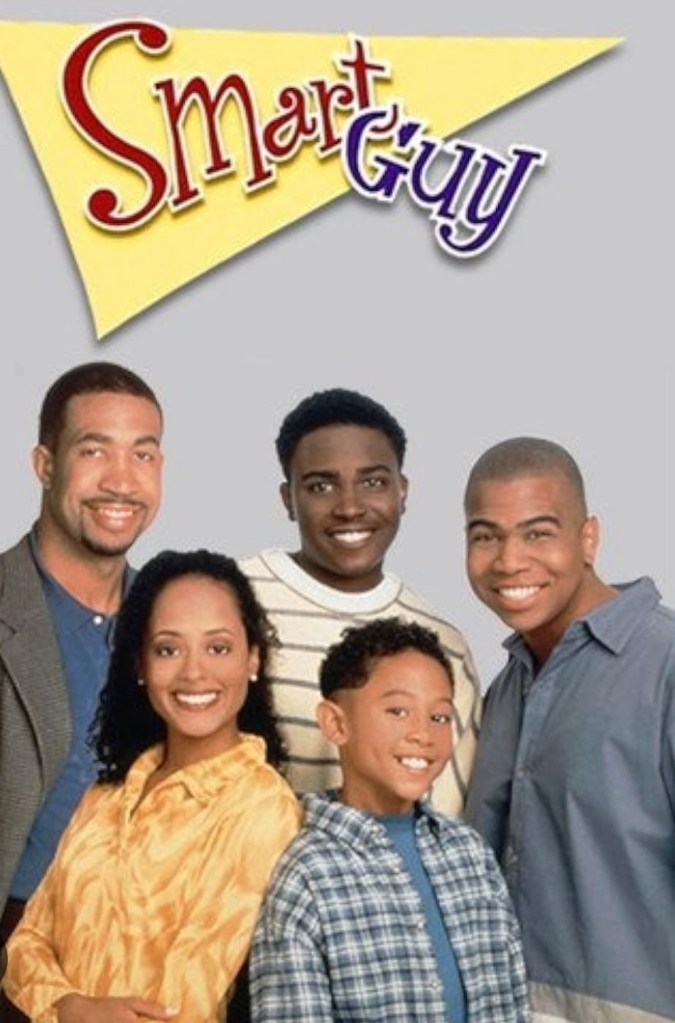
Instead of watching him confront the challenges he would face with kids his age, the audience sees him navigate complicated relationships with older people. From this angle, the show wasn’t for kids. Rather, it was a comedy for adults not because of graphic content but because it magnifies TJ’s experience in relation to his interactions with older kids or adults. This, at the time, wasn’t a show intelligent boys of TJ’s age found inspiring or reflective of their own experiences. It actually damaged their identity to an extent.
TJ, although smart, came off as brash and arrogant. Sometimes, he appeared to be disrespectful to adults. This is something all children are guilty of at some point. It felt like a character design with TJ. And for all intents and purposes, he was a textbook nerd but with some stubbornness sprinkled in. In reality, for too many boys, being smart comes with stigmas that encourage the less intelligent to behave verbally or physically abusive. Because of that, I learned early to protect myself with stealth intelligence. If you have a smart son or want one, I’m sharing my story for you and your son.
Protecting Myself
Tommy and I had started preschool together and now sat across from each other in 4th grade. Behind Tommy, Darnell shoved him and pulled a “tail” on the back of his head. In the 90s, a tail was a patch of braided hair at the back of the head, while the rest of the hair was short or gone. It was kind of nerdy, and it drove bullies like Darnell into a frenzy. It was made worse by the fact Tommy wore glasses. Darnell had taught me something about bullies.
Like Tommy, Darnell had also been my classmate since preschool or kindergarten, and we’d had interactions where I had to respond to check him. When he’d snatched something from me in the earlier years, I snatched it back and made a point.
He just looked like a nerd to bullies.
By the 4th grade, Darnell and I would sometimes hang out or walk home together. That wasn’t the same for him and Tommy or Tommy and other bullies. Tommy didn’t answer questions or come off as a teacher’s pet who knew it all. He just looked like a nerd to bullies. Kids who looked like nerds and were smart got it the worst. I didn’t want to be that kid, but something odd was happening for me at the time.
Very early as a kid at maybe 7 or 8 years old, give or take a year, I’d won a writing competition sponsored by the D.A.R.E. Program. I wasn’t a straight-A student, but by the 4th grade, I was regularly testing higher than my peers. Later, as we began to take standardized tests, I continued to do better than my classmates and peers, reaching past the 97th percentile in some areas. Yet my skin cringed if I was ever called “the smart kid.”
Anyone will tell you 1990s Chicago was a lot, but being a boy perceived as “smart” is still something with negative connotations attached to it. Boys who are intelligent or academically gifted are called soft or girly. They are more likely to be bullied. I wasn’t.
Those battles came far fewer for me than they did for boys seen as nerds.
By 6th grade, I was competing with other boys in my classes on regular and standardized tests. My hand went up whenever I knew the answer or thought I might. I sat at the front of the class and took notes as necessary.
To do this without the realization of being bullied took years of quietly excelling academically, while making sure to defend myself in every situation. Those battles came far fewer for me than they did for boys seen as nerds. I had the regular “boys being boys” types of fights. I didn’t fight because I got a question right and embarrassed a bully who couldn’t answer.
I grew up with four sisters and no brothers, so school was primarily where I hung around other boys. This was where I both befriended and fist-fought other boys, and it was exhilarating. At home, I read science books, did self-made science experiments and examined anything I could under a microscope. I was building my confidence.
Brilliantly Confident
“Can you write an essay for me for the Bill Gates Scholarship?” my girlfriend at the time had asked. We were seniors in high school, and college was the next step. Winning the Bill Gates Scholarship would mean a full-ride to any college of her choice. I said yes, wrote the essay and the essay won. She had confidence in me, and I had confidence in myself far beyond that.
At the end of my 8th grade year, I found out that in high school I would be part of a new program for gifted students. It would take about thirty of us, put us in AP and honors classes for our four years and challenge us on a level we otherwise would not have been in public school. This program gave us access to better technology, trips to the Capital and higher learning institutions and a stronger curriculum. It also did something for me that had not been done.
That made me more competitive and motivated…
Now, I was in class with male and female students who I could talk to about science, politics or the news. I could laugh with them about American Idol. I could admit I watched American Idol. For the very first time, I was in an environment of like-minds who were competitive. That made me more competitive and motivated to know my peers beyond a few bad jokes.
Until the 6th grade, I’m not sure I’d ever felt the urge to embrace the word “smart.” At home, my family used it to describe me, but my closest friends wouldn’t have known I read any book I could find or that I liked animals. This was part of my identity, but it was nerd stuff that got other boys beat up.
In 6th grade, I wasn’t in the habit of denying the title of “smart” bestowed upon me by a teacher or a classmate. It no longer felt like a backhanded compliment or outright insult. It felt appropriate and fitting. There are boys out there, smart boys, who need guidance and support. So, if you have a smart son or want one, read the next section.
A Note on Supporting Smart Boys
There is a boy somewhere right now tucked away by himself reading about the planets, and his experience would be that much better if he had someone he could share it with. Because of that, open doors for him.
Sometimes, parents block their children’s growth by speaking for them, and I would argue against this. If someone mentions a program that could help your child, fly the idea by your kid and find out what they think. Don’t be the “My child doesn’t want to do that” parent. Also, invest in him.
Your child will build robots and cars that function…
Buy books, puzzles and other items that can increase cognitive function, and leave them around the house. Put them in the living room, the pantry and the basement. Make it feel like an adventure to him.
KiwiCo provides STEM and art subscription boxes, and these are great for bringing out the inner curiosity your kid possesses. Your child will build robots and cars that function, all while learning the mechanics behind it. To maximize your child’s intelligence, start early.
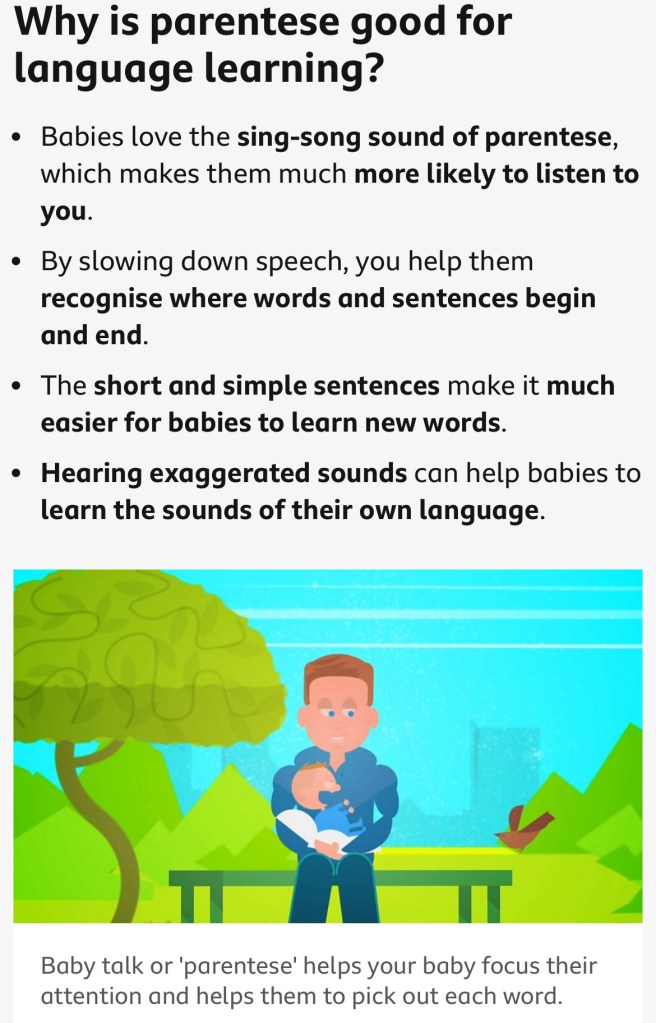
Kids experience most of their brain development by the age of five, so exposing them to the right stimulations is critical. This means speaking full, clear sentences to your infant and avoiding “baby talk.” In case you’re wondering, “Parentese” is the act of speaking to an infant in a slow, high-pitched repetitive tone. This is better for your child, and it helps them develop a more complex understanding of language. To supplement the brain development process, also buy them toys that have a purpose.
Instead of buying toys that do nothing, buy toys that encourage learning. You can find effective learning toys from the Brown Toy Box company that offers subscriptions. A quick walk down the toy aisle at Walmart will expose you to a number of toys for cognitive development and learning. Even though all of the aforementioned parts are important to your child’s brain development, supporting him is the most important part.
Importantly, compliment your son on his learning. Let him know it’s OK to be smart. Ask questions about what he’s doing and offer to help or play sometimes. This is excellent for bonding and showing him that his interests interest you. Offer small praises, and be genuine in your responses. Don’t patronize him. This will solidify his confidence.
The Takeaway
I grew up reading science books, making my own experiments and outperforming my peers on standardized tests, but I didn’t fully and openly embrace the “smart” part of who I was until about 6th grade or so. Seeing boys being bullied just for looking like nerds deterred me. So, I did what other boys did but alone built a fortress of books, educational games and curiosity. When I did embrace my identity in totality, I became more confident and routinely excelled at what I did. Smart kids are not born. They are made through guidance, support and exposure to information.
The above noted, love your son, and help him embrace his intellectual identity. Put your kids ahead of their peers early by giving them educational games, guidance and encouragement. Remind them it’s OK to be smart. Kids are usually a bit ungrateful, but they’ll thank you for this later.
FOLLOW the author Jermaine Reed, MFA on X @ Jermaine Reed, MFA for his controversial but real hot takes.
Discover more from The Reeders Block
Subscribe to get the latest posts sent to your email.
 The Reeders Block