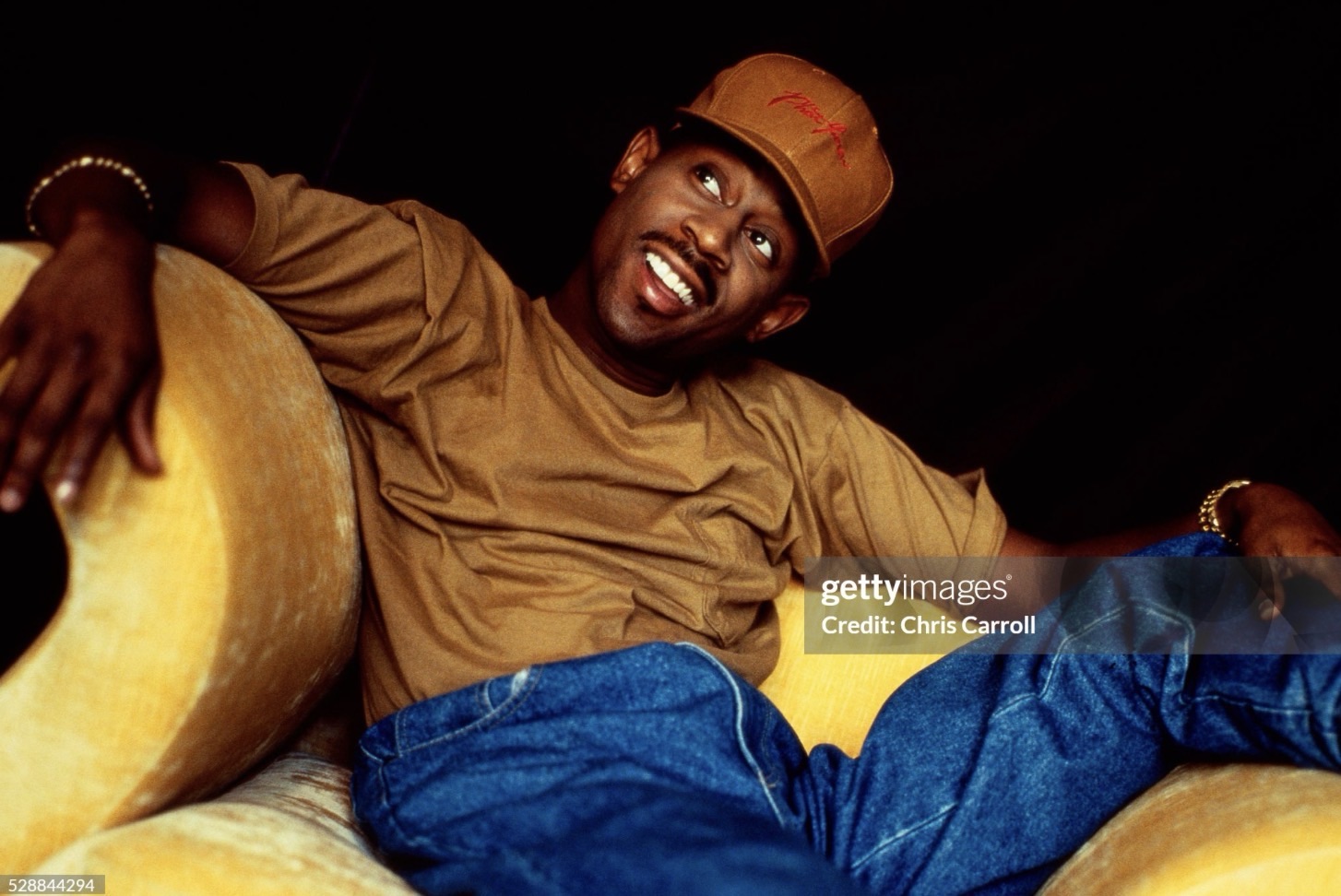
Martin Lawrence: When Fox and HBO Tried to Break a Legend

SUBSCRIBE to get more breaking news in perspective. This article is 100% human-written.

How did a boy born in Germany become one of the biggest cultural icons in America? How did that same boy become a half-clothed celebrity with a pistol in the middle of a street yelling, “Fight the power. They tryna kill me”? By any means, Martin Lawrence is one of the most prolific and influential comedians of all time. But in 1997, that version of Martin Lawrence exploded in epic fashion under a divorce, lawsuit from a costar, and corporate pressure to film under a mental health crisis. The storm that came while making the 132 episodes his networks needed for syndication nearly snatched him from this world.

1997

In 1997, Tisha Campbell’s attorneys stormed into court and filed a lawsuit against Martin Lawrence, his company You Go Boy! and Fox Corporation. Having played the role of his on-screen girlfriend Gina for years, Tisha feigned a romantic relationship with him for the screen from the beginning. She fell effortlessly into the hugs, kisses and playful banter. When that behavior crept from the set into reality and escalated, she fought back. In her 97 lawsuit, she accused Martin of groping and abusing her. She described a toxic atmosphere, but Martin saw it differently.

“It’s bullshit,” Martin Lawrence told reporters. He categorically denied the allegations, characterized Tisha as a liar. If anything, she was just a disgruntled employee. After years of showing up before the sun and well after sundown, Tisha was simply exhausted, especially having gotten married just months before. Her accusations were her way out, with pay. No one knew who was telling the truth.

The world was tasked with choosing sides, and the public’s eye was on the wild headlines featuring Martin the previous two years. What was wrong with Martin?

Costar Power Couple

When Kid N Play’s House Party dropped in 1990, fans packed theater seats and pulled the tape off the shelf immediately upon release. Packed with hypnotic rap beats, flashy baggy 90s clothes and the raw energy of a never-ending party, the movie had everything it needed to be classic. This included the vibes of Martin Lawrence and Tisha Campbell.

During one of the most iconic scenes in the movie, Tisha and her friends are part of a dance off, and Martin is the DJ. As she and her friends give the crowd a show, Martin provides the music. Even though Martin and Tisha don’t have a romantic relationship in the movie, the connected energy of their characters during the dance-off is electrifying. It operates as a stark contrast to their otherwise contentious interactions.

Throughout the movie, the girls call Martin “dragon breath” and generally diss him. In the movie, Tisha teases Martin as well, but their performance is legendary. It wasn’t surprising for fans to see them in the 1992 movie Boomerang. For Martin himself, it wasn’t either. In fact, he thought there should be more. Fans agreed.

The world was beginning to notice Martin. He’d stepped out of the sweaty confines of comedy clubs and onto the big screen. But he wanted to be in every home, and a tv show was the only way. If he did that, Tisha would play his wife. He told her this, and she agreed. However, she had one condition. Tichina Arnold had to be part of the cast. The reason was, they were friends and had a long history. The lifelong fire of their friendship first sparked thousands of miles away overseas.

In 1986, Tisha and Tichina found themselves in London as teenage girls singing for the movie Little Shop of Horrors. An ocean away from home and working the schedule of two adults, Tisha and Tichina became inseparable. They shared stories of wanting to be tv stars or women on the big screen. They didn’t understand how their magnetic energy coupled together would change their lives.

But when Martin asked Tisha to be on his show, she saw a way. She demanded Tichina star alongside her. From there, the deal was sealed, and Martin promised her she would be the one. He didn’t realize the years-long friendship he had fortified with Tisha carried a poison pill that would erupt at the lowest point in his life.

The Naked Intersection

Cars zoomed by with blaring horns and screeching tires. 9-1-1 calls flooded the department. There was an armed man in boxer shorts in the middle of the intersection on Ventura Boulevard. Even for 1996, this was strange. Through his rambling, phrases like “Fight the power” caught the ears of passersby on the busy California street. This man was either on drugs or in a manic state. No one thought this man was Martin Lawrence, not even himself.

LA Times article about comedian Martin Lawrence’s 1996 Ventura Blvd. incident.

The police and ambulance came within minutes, followed by the local news. In his manic state, Martin had to be wrestled down and hospitalized. Witnesses described him as paranoid and delirious. Martin’s team said Martin was suffering from exhaustion and dehydration. This left people to wonder, when has dehydration and exhaustion ever led to screaming in the middle of a street with a loaded 9 mm pistol? The situation was nuclear, and fans mistook it for the beginning of something terrible. Though it seems his collapse started in that intersection on May 7th of 1996, the cracks in the foundation of his life had started a year before. Now, he was struggling to keep his tv show. Securing that deal by itself had been amazing.

Getting a TV show for Martin Lawrence had to be one of his greatest accomplishments up to that point, but it came with its own pressures. Martin Lawrence was not just an actor. He was a creator, producer and director of the show. Additionally, he played multiple characters with various backstories. Together, he was Martin Lawrence, the actor, the comedian and the executive. Playing all of these roles put him in a position where he had to choose between his own mental health or meeting multiple deadlines.

Martin Lawrence was very conscientious of deadlines because the studios were very conscientious of them. HBO Independent and Fox were making an investment that was bigger than just that moment. It was about investing in an asset. In order for that asset to be of any value in the future, it needed to be eligible for syndication. But for that to happen, a significant number of episodes had to be shot.

Unfortunately, for them, Martin’s later intersection incident and Tisha’s lawsuit came before that goal could be met. These complications would have put the breaks on most shows, but the showrunners at Martin had no plans to stop production before they got what they wanted. That’s why the production companies had representatives.

Phil Kellard and Tom Moore were executive producers and the muscle for HBO Independent. While Fox aired the show, HBO Independent produced it and acted as the employee of record for the staff. Through this collaborative effort with Martin’s You Go Boy, 130 episodes had to be produced. On paper, this sounded easy, but complications in Martin’s life and mental health made it nearly impossible.

Bad Boy of the Hour

In the 90s, a successful man was expected to have a trophy wife, and Martin thought he’d found that in Patricia Southall. As former Miss Virginia USA and runner-up in the 1994 Miss USA pageant, she was striking. Her business acumen was as sharp as her beauty, and she took on various acting and media roles. So, within a year of meeting in 1994, she and Martin walked down the aisle and welcomed a baby girl. The story ended any way other than happily ever after. In fact, Patricia would file for a divorce a year later, claiming he was “irrational and abusive.” This struck Martin in an era when he had been choosing the movie set over the bed for years on end.

Beyond keeping up with the grueling schedule of a hit tv show, Martin was still holding down the big screen. In 1995, the movie Bad Boys debuted, and getting that done had come with its own set of complications. Martin lived more in the script as the world faded around him. With a new marriage, infant and a career all demanding his time and attention, his position within his world became indiscernible to him. He teetered on the nearest edge of imploding, but his only refugee was the movie studio. And so, his fans watched the greatest breakdown in tv show history from their living rooms. But Martin wasn’t done fighting, and neither were the forces against him.

Settlement by Agreement

Nobody thought Tisha Campbell would walk off set, but she did. By November of 1996, she’d had enough abuse and sexual harassment. Three months before, she’d married actor Duane Martin, and she had her own personal life to deal with. She felt Martin was bringing his to the set.

Tisha said she had stayed on set faithfully, even after the harassment started in season one. She said in the beginning, Martin had asked her to go on dates with him. The chemistry on-screen was magic, but she saw nothing more than that. Her answer had been a hard no. She said Martin didn’t accept it. However, she walked-out after she claimed Martin “berated” a staff member.

Tisha’s boycott sent Phil Kellard, Tom Moore and other HBO and Fox Corporation executives into overdrive. They had a show to complete, and they weren’t ready to give up. They got creative, and that meant more work for Martin.

He’d already built a collection of loved side characters like the loud neighbor Shanae Nae and Otis, the poorly trained, elderly security guard. Although these characters were hilarious, they were not Gina. They didn’t offer the straight-woman resistance she had to Martin’s comedic genius. Meanwhile, the tensions only worsened and risked the show being cancelled by a judge.

Martin Lawrence as Otis.

After storming off set, Tisha eventually returned but not before filing the 1997 lawsuit in January. In it, she laid out years of sexual harassment and escalating abuse, mainly in seasons two through four. Martin’s hands had lingered on her hips too long during the intimate scenes. Or his fingers groped areas they shouldn’t have come near. She wanted nothing else to do with him. Martin called it all “bullshit.” The courts found a compromise.

They agreed Tisha would return to the show, but she and Martin wouldn’t ever be in the same room again. This dynamic effectively ended the show and an era, but the showrunners developed a workaround.

Viewers noticed that in the final two episodes, the power couple don’t appear in any scenes together. While they interact with their normal group of friends, the absence of their on-screen chemistry is almost palpable. Viewers left feeling like something was missing or off, and they were right. The fallout likely kept Martin and Tisha up for months after, but the networks had their gem.

After they had 132 episodes, HBO Independent (now Warner Bros. Television) and the Fox Corporation sold the show into syndication for over $500 million. Because Martin had backend participation points and ownership stakes, he earned close to $75 million for this deal alone. Even though they have basic residuals, Tisha Campbell and the rest of the lead cast have earned less than ten percent of what Martin has from the show. The question becomes, who’s the winner? If there is one, was it worth it?

Hindsight from the Cast’s Perspective

In 2022, BET+ pulled off what three tv studios couldn’t and got Martin and Tisha to sit in the same room on the same couch. It was a bittersweet reunion, having come too lately for it to be a full reunion. Just two years prior, one of the lead cast members passed away. Thomas Mikal Ford (Tommy) was as loved by them as he was by the world. This 30-year reunion gave them space to reconcile and remember.

During part of the event, Martin, Tisha, Tichina and Carl Anthony Payne II reminisced about the good days on a recreated set of Martin’s apartment. They laughed about breaking character amid Martin’s hilarious antics and honored Tommy. They even talked about the lawsuit.

Even though over twenty-five years had passed since Tisha filed the lawsuit, she and Martin admitted they hadn’t spoken about it. Neither smiled about how the events played out, but they showed a genuine happiness interacting again. Their feud had ended a tv show, but Tichina had remained a common thread between them. Although she supported Tisha, Tichina didn’t back up her legal claims. She also remained on good terms with Martin. Having worked with Tisha after the show, Tichina was the perfect conduit for peace. She continued being a force of reason during the reunion as well. And Martin seemed to listen more than he spoke.

Watching the stars talk and laugh about a show that changed television rejuvenated a sleeping audience, but they walked away with questions. The cast talked about the lawsuit, but fans wanted to know why. Why had she filed the lawsuit to begin with? While some say she did because of the toxic atmosphere behind the scenes, others think the idea was forced by her husband at the time, Duane Martin. The speculation is based off the timeline.

In August of 1996, Tisha and Duane traded vows and rings. Three months later, she walked off the set of the tv show. In January of 97, she filed her lawsuit. The major settlement was her not being on the set at the same time as Martin. Ironically, Tisha and Martin didn’t speak for over twenty years. Tisha acknowledged she and Martin didn’t speak until after she filed for divorce, and Martin reached out to check on her. The real story is likely somewhere in the center, maybe leaning more heavily one way or another. The show remains legendary, and it reveals something deeply rooted in Martin.

Before sitting down to write the first episode of his namesake tv show, Martin the world thought he was a comedian on the move. His raw talent and comedic timing made him a jewel. His knack for picking talent and keeping the attention of millions made him indispensable. There was only one Martin, but every producer from Hollywood to New York wanted a piece of the asset not the man. But Martin wanted to be more than a product. He wanted to be a family man.

After getting married, Martin’s schedule became more intense, with the filming of movies and his show. By 1997, his marriage was tethers of what it had been, his closest costar was suing him and he’d had one of the most epic public breakdowns of the era. He had to choose between Martin the Man or Martin the Machine. In an era that would’ve broken a lesser man, Martin doubled down.

The first movie he starred in after the collapse of his show was Nothing to Lose. In that movie, Martin plays a man who thinks his life is perfect until he catches his wife having an affair, leading him to have a breakdown where he stops caring about the rules. This seems to be almost identical to Martin’s experiences in the 90s. Either way, the title of that became the catalyst to his career.

Then, in 2002, he released his iconic Run Tell That standup, where he addressed the Ventura Boulevard incident and life as a man under pressure. It was a bold acknowledgment of his past bad decisions and a refusal to hide. He had something to say, and he wanted people to gossip about it. Their words wouldn’t break him. RunTelDat has been his primary brand since. His resilience made his following victories and successes inevitable.

From a distance, Martin might have seemed “erratic” and could have been portrayed as “crazy.” Years later, it’s easier to see he was a man on a mission building a business. He was a mad businessman in the Hollywood lab some don’t have the chemistry for. He didn’t just survive the era. He bought and owned it. In his mind, he probably still chants “You go, boy.”

FOLLOW the author Jermaine Reed, Jermaine Reed, MFA for his controversial but real hot takes.

Post Reflection: I grew up watching Martin with my sisters, laughing at the ridiculousness of the characters but never understanding the mechanics. To us, the show just vanished. I’ve always wanted to know why. Through this research, I realized I wasn’t just watching a comedian. I was watching a businessman in the lab, fighting to protect his Blueprint while the world watched the headlines. I felt compelled to tell this story in its rawest form.


Discover more from The Reeders Block

Subscribe to get the latest posts sent to your email.

Published by The Reeders Block

TheReedersBlock.com brings you the latest entertainment, political and hip hop news with a dose of bold truth. Don’t forget to download your copy of this site’s Truth Be Bold newsletter.

Leave a Reply

Discover more from The Reeders Block

Subscribe now to keep reading and get access to the full archive.

Continue reading