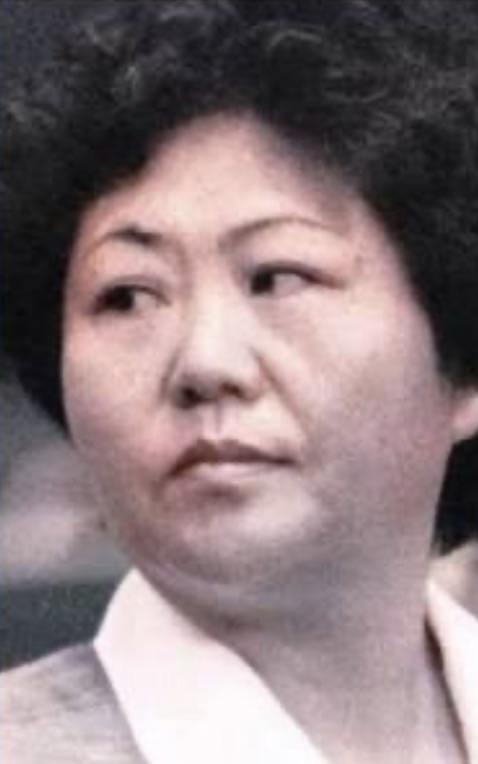
Photo of murderer Soon Ja Du from africanarchives on Instagram.
Flashback News Break
SUBSCRIBE to TheReedersBlock.com for more news. This article is 100% human-written. Don’t miss a beat.
Police arrived to the store to find a teenage girl lying face down on the floor of a local convenience store. The girl had been shot, and the circumstances were horrific.
Listen to a summary of this story while you commute, multitask or relax.
What Happened
On March 16, 1991, Latasha Harlins walked into a local Los Angeles convenience store. As reported by A&E, she had stopped in at about 10 am to get a cold drink. It was a hot day, and the morning demanded she hydrate herself.
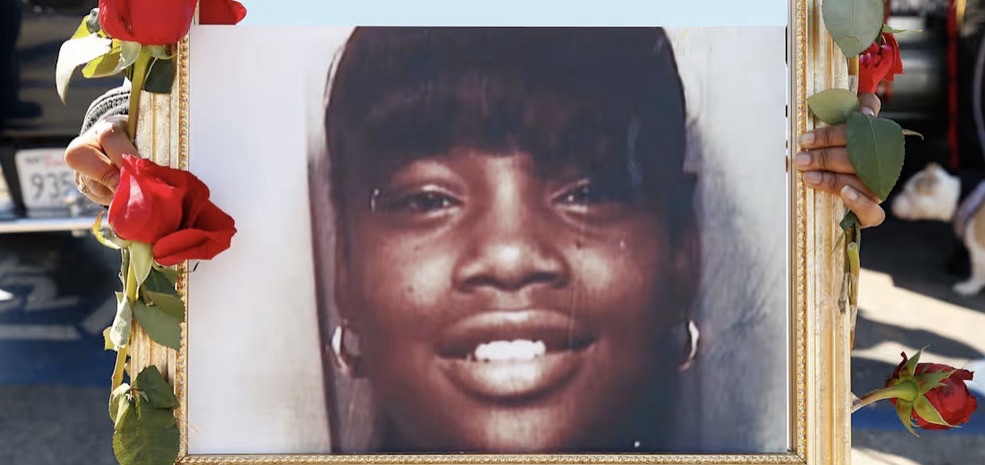
As she walked through the store, the co-owner of the store watched her through various security mirrors. While she did, Latasha grabbed a $1.79 bottle of orange juice and placed it in her book bag. She also clutched in her hand the money she intended to use to pay for the juice.
Latasha went straight to the counter to pay, but Soon Ja Du immediately grabbed her and pulled her by the collar of her sweater. Soon Ja Du accused her of trying to steal the juice which she denied. Latasha had $2 in her hand, but Soon Ja Du had attacked her before she could pay.
As Soon Ja Du leaned assaulted the teen girl, Latasha bravely defended herself. Soon Ja Du fell to the floor behind the counter, and Latasha left the money on the counter. Then, Latasha began walking away towards the door. Those would be her final steps.
Soon Ja Du lifted up from behind the counter with a gun and heartlessly shot the girl in the back of the head, killing her instantly. That was only the first tragedy. The rest would play out in trial.
After the killing, Soon Ja Du was officially charged with First-Degree Murder. Her bond was set at $250,000, and she made bail. While the murder charge seemed like a win for the family of Latasha, during trial, the judge allowed the jury to consider Voluntary Manslaughter. This charge carried significantly lesser penalties than the original murder charge.
During the September 1991 trial, the jury was told that Soon Ja Du and her husband had come to America from South Korea in 1976. They lived in the San Fernando Valley and worked a variety of jobs, including in garment repair and in a manufacturing plant. Her lawyers painted her as a hard-working immigrant working in a frustrating industry. From their perspective, her murdering Latasha was just an outcome of the pressures she dealt with. The prosecution saw it differently.
Primarily relying on video footage from the store which captured the horrendous murder, prosecutors argued that Soon Ja Du had committed First-Degree murder. She had shot an unarmed teenage girl in the back of the head after that girl had tried paying for her juice.
Additionally, Soon Ja Du had initiated the altercation and lost the fight. She was angry and incensed. She acted recklessly and with the intent to take a human life without any legal justification. In the end, as ridiculous as the defense’s argument was, the jury and judge seemed to favor it.
On October 11, 1991, Soon Ja Du was found not guilty of First-Degree Murder. She was found guilty of the lesser charge of Voluntary Manslaughter. Her sentence, if you can call it that, was handed down by the judge.
The woman who had murdered an unarmed girl was given a ten-year suspended sentence by the judge. Soon Ja Du would never see a day in jail. It was an agonizing signal from the legal bench.
In this system, young Black girls are so unprotected that shooting them in the back of the head gets the offender no jail time. It wasn’t about sympathy or empathy for the victim. It was about reminding others that these lives, Black as they are, don’t matter to this court system. But the family would get some semblance of justice.
The Takeaway
Just one year later in 1992, Soon Ja Du’s family’s insurance policy paid a $300,000 settlement to Latasha’s family. Soon Ja Du and her family lost nothing directly, but their insurance paid out some for the harm she caused. The verdict didn’t sit well with the community and led to protests and outrage. In the end, the American judicial system learned nothing, and neither did the murderer Soon Ja Du.
Jermaine Reed, MFA is an educator and the Editor-in-Chief of TheReedersBlock. Take time to Subscribe. It helps promote independent journalism and the site. Follow him on TikTok, where he has over 9 million views and nearly 1 million likes. Help him get there.
Discover more from The Reeders Block
Subscribe to get the latest posts sent to your email.
 The Reeders Block